


The temperature inside your security control room continues to rise. Cameras, monitors and communications equipment are producing additional heat, while the air-conditioning struggles to cope.
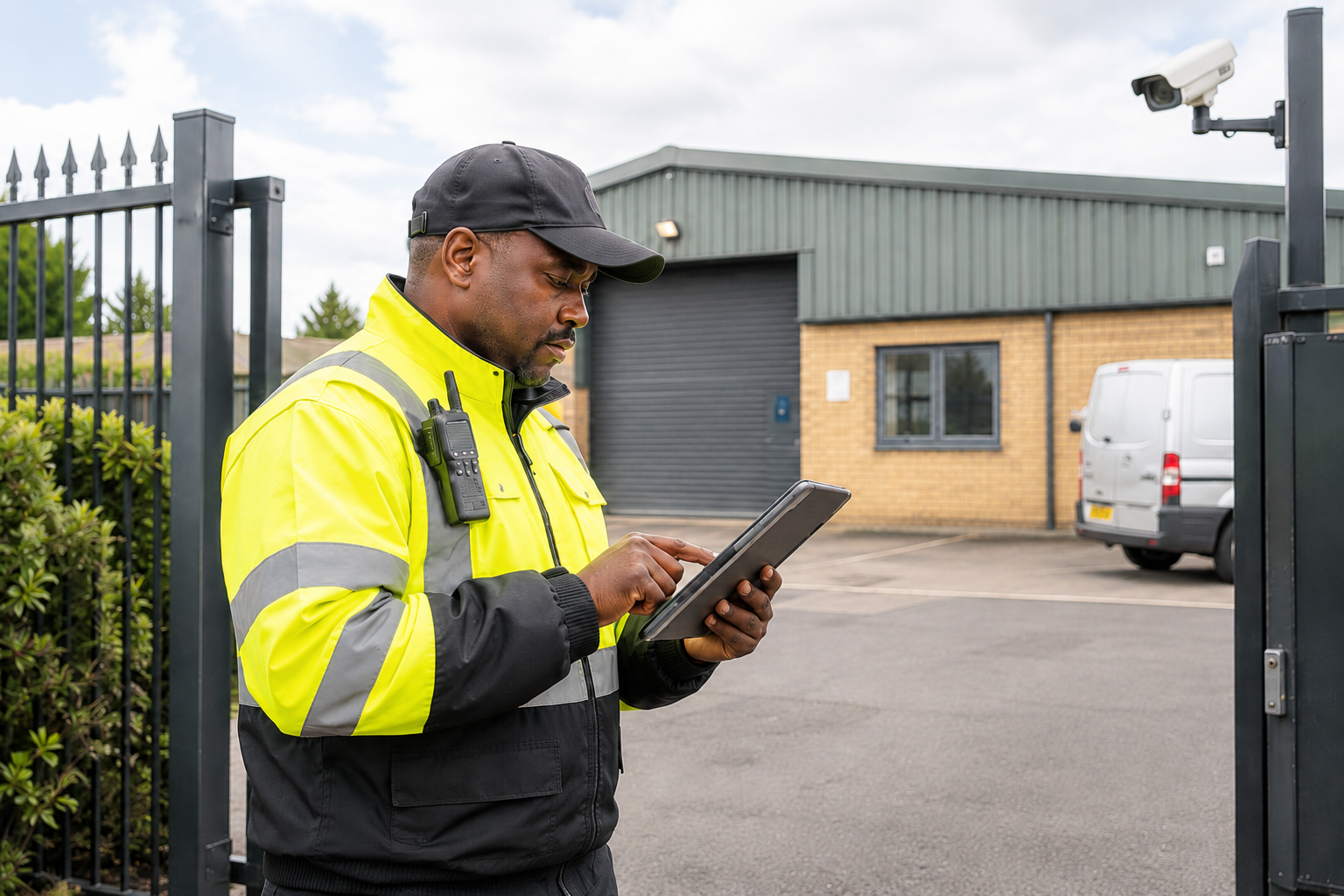
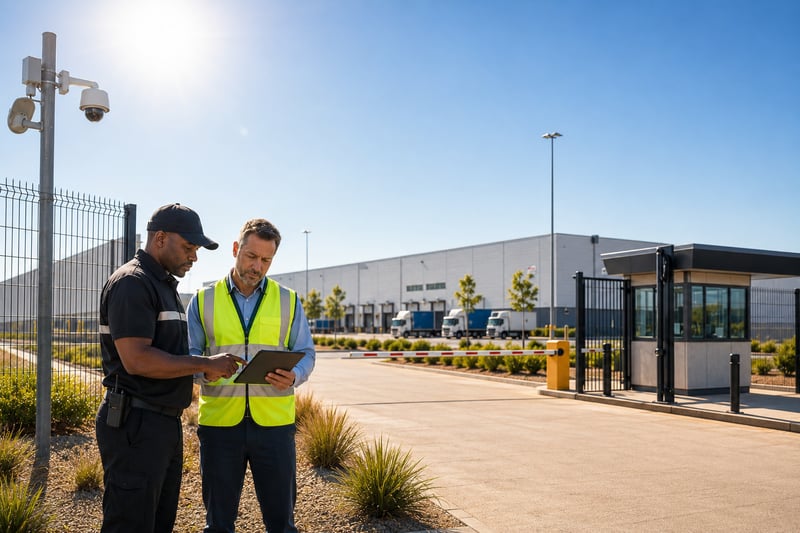
Outside, security personnel are carrying out patrols in direct sunlight. Electronic gates are slowing, equipment is overheating and employees are finding it harder to concentrate.
A few weeks later, the same site could be dealing with intense rainfall, flooded access routes and damaged perimeter fencing.
Extreme weather does not simply affect comfort or building maintenance. It can weaken security systems, disrupt staffing and make your premises harder to protect.
With the UK experiencing so many heatwaves, climate resilience can no longer sit separately from your security planning.
Heat can affect more than your workforce
High temperatures can place pressure on every part of your security provision.
CCTV cameras, alarm panels, access-control systems, servers and backup batteries may all be operating in areas that become significantly hotter than the outside temperature. If ventilation or cooling fails, equipment can become unreliable or shut down entirely.
Your security plan should identify which systems are most vulnerable to heat, how temperature is monitored and what happens if essential equipment stops working.
Consider the rooms in which your technology is housed. Are they ventilated adequately? Would you receive a warning if temperatures became unsafe? Is there an alternative way to monitor entrances or control access if the primary system fails?
Security equipment may be designed to operate within a temperature range, but your plan needs to reflect the actual conditions experienced across your premises.
Hot weather can change activity around your site
A heatwave may alter the way your premises operate.
Windows and doors may be left open for ventilation. Employees may use entrances that are normally kept closed. Deliveries may be rescheduled, working hours altered or outdoor areas left unattended because conditions are uncomfortable.
Each change can create an unintended security gap.
Open windows may provide easier access. Temporary doors or alternative routes may not be covered by existing cameras. Employees leaving earlier or working different shifts can change the periods when your site is most exposed.
A heatwave plan should therefore consider how operational changes affect access control, surveillance and responsibility for securing the premises.
Extreme heat is becoming harder to treat as exceptional
The Met Office confirmed that temperatures of at least 35°C were recorded in May, June and July 2026 - the first time this had happened within the same year in the UK weather record.
Longer-term evidence also shows how conditions are changing. Across Greater London, the number of days above 30°C and nights above 18°C more than quadrupled during 2016 - 2025 compared with 1961- 1990. In an area stretching from Kent to Lincolnshire, the average hottest day of the year became more than 4.5°C warmer over the same comparison period.
This means security arrangements designed around occasional hot days may no longer be sufficient. Cooling, equipment resilience and safe staffing need to form part of regular planning rather than being introduced only after temperatures rise.
Heavy rain creates a different set of weaknesses
Heat is not the only concern. Intense rainfall can overwhelm drains, flood roads and prevent people from reaching your premises.
The Environment Agency estimates that around 6.3 million properties in England are located in areas at risk from rivers, the sea or surface water. That number could rise to approximately eight million by the middle of the century. Its assessment also found that 38% of roads are already exposed to at least one source of flooding.
Flooding does not need to enter your building to affect security. A blocked road may delay a guarding shift, keyholder or emergency contractor. Standing water can damage low-level cameras, gate motors, lighting and alarm equipment. Deliveries may also be redirected to access points that are less secure.
Your plan should identify alternative routes, backup contacts and who has authority to make decisions when the usual personnel cannot attend.
Your people face additional pressure
Security personnel may spend long periods outdoors, wear protective clothing or move repeatedly between hot external areas and enclosed buildings.
The Health and Safety Executive warns that heat stress can occur when the body’s ability to control its internal temperature begins to fail. Temperature, humidity, physical activity and work clothing can all increase the risk. It also confirms that employers must assess extreme heat as a workplace hazard, even though there is no single legal maximum working temperature.
Heat can also affect concentration, judgement and response. These are critical when someone is monitoring CCTV, managing visitors, controlling vehicle access or responding to an alarm.
Your arrangements should allow for suitable breaks, drinking water, shaded or cooled rest areas and changes to physically demanding duties. Patrol schedules may need to avoid the hottest part of the day, without leaving important areas unchecked.
The aim is not to reduce security coverage. It is to provide that coverage safely and effectively.
Test your plan in both heat and heavy rain
A written plan can appear complete until several things fail at once.
Test a realistic heatwave scenario in which your control room cooling stops, an electronic gate becomes unreliable and outdoor patrols must be adjusted. Then consider a period of heavy rain in which the main access road is blocked and the usual keyholder cannot attend.
Who makes the decisions? How will access be controlled? Which systems must remain operational? How will your people stay safe?
Working through these questions can reveal dependencies and responsibilities that would otherwise remain unnoticed.
How Magenta Security supports climate resilience
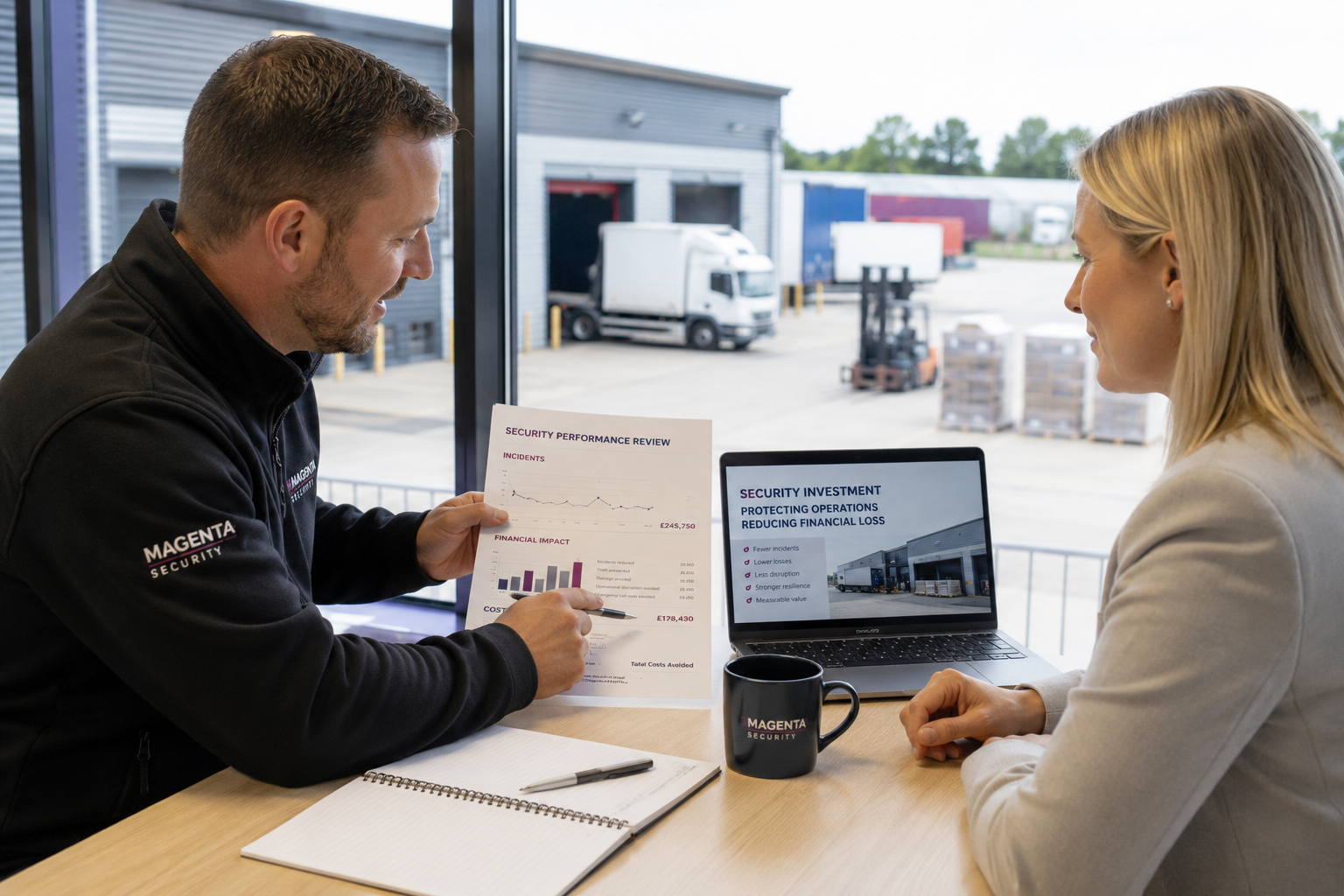
Magenta Security can help you examine how extreme heat, heavy rainfall and storms may affect the protection of your people, property and operations.
By reviewing access arrangements, critical systems, staffing and contingency measures, you can identify where severe weather could create avoidable exposure.
The aim is to ensure your security provision remains practical and dependable, even when normal working conditions are disrupted.
Is your security plan ready for more extreme weather?
Climate resilience is now part of effective security planning.
Your organisation needs to know whether your people, technology and procedures will continue to protect your premises during prolonged heat, flooding or severe storms.
Request a no-obligation Security Review from Magenta Security to identify how extreme weather could affect your current provision and strengthen your organisation’s readiness.